
01 / BUSINESS MODEL
Products & services
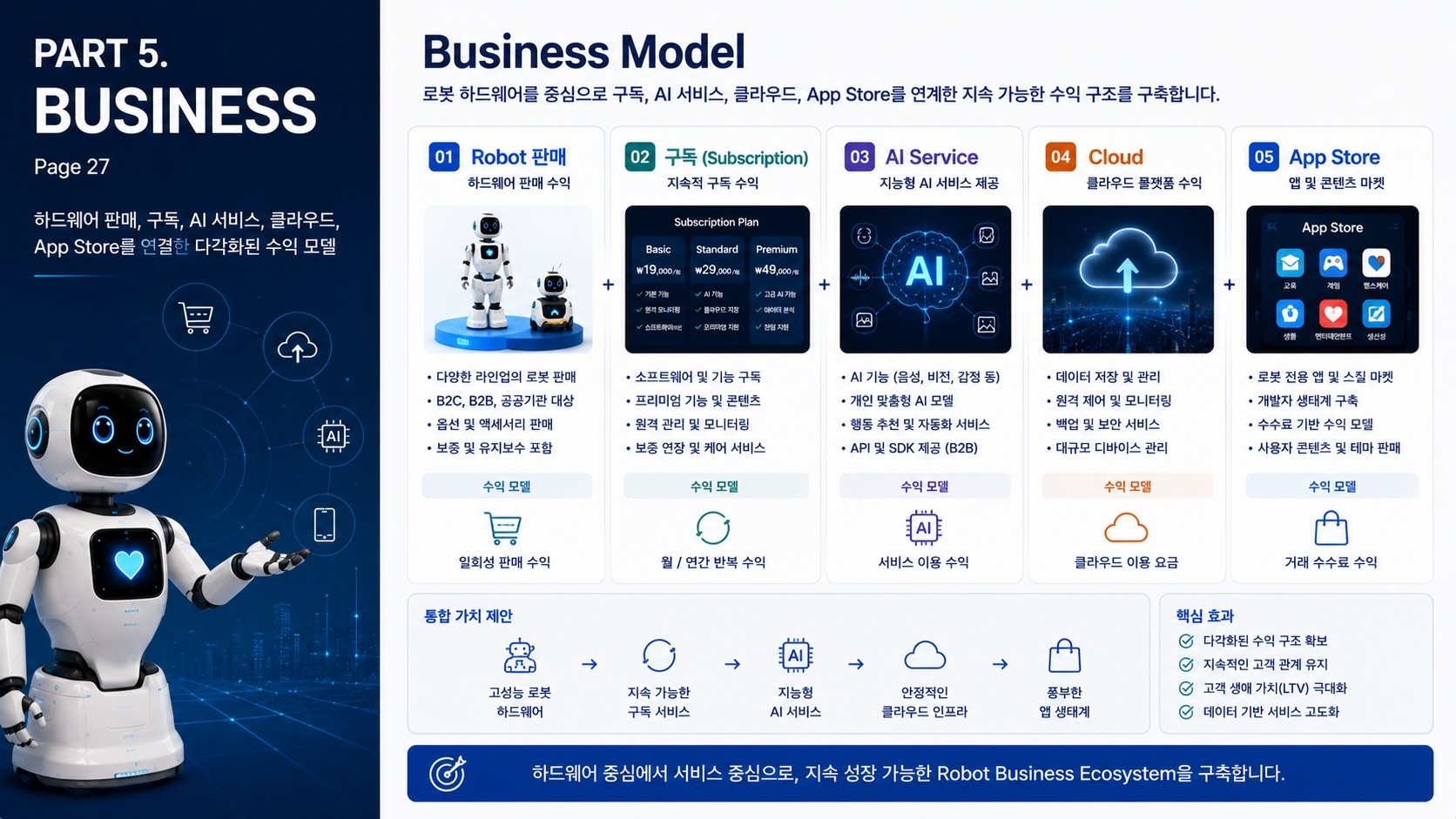
The initial focus is validating the Stage 1 product experience, followed by potential subscription services and institutional operations. Hardware and recurring services have distinct roles so customers can understand what is included.
| Model | Value | Considerations |
|---|---|---|
| Robot products | Hardware and a core interaction experience | Manufacturing cost, quality, setup and after-sales support. |
| Subscriptions | Expanded dialogue, content and personalization | Included functions, usage and operating costs. |
| Institutional solutions | Multi-device management and site-specific operation | Environment, permissions and support level. |
| Content and platform | Learning, entertainment and partner integrations | Content review, rights and revenue sharing. |
View detailed information +
02 / BUSINESS MODEL
Subscription direction
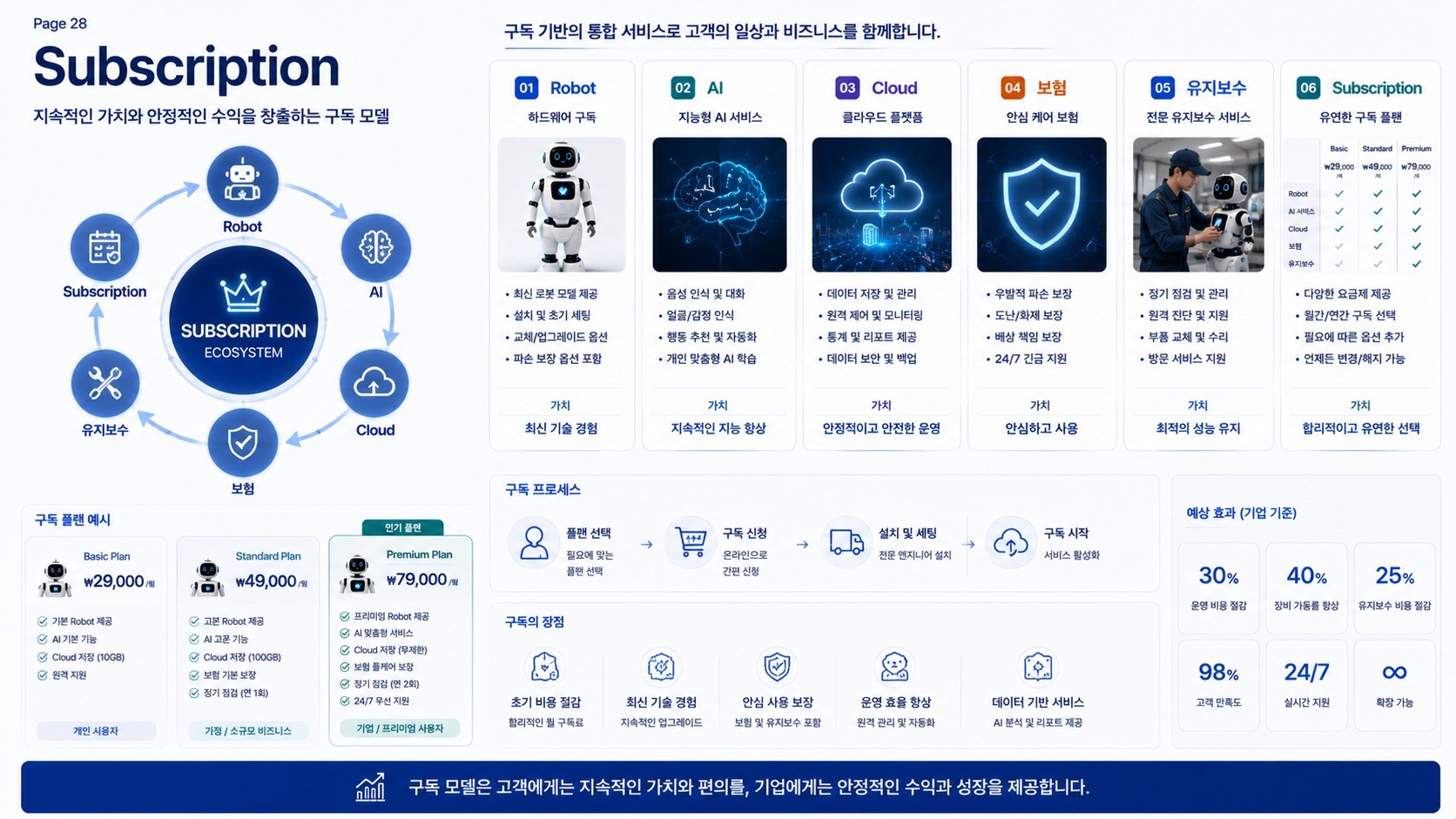
The subscription concept expands from basic services to advanced functions and institutional operation. Plans, pricing and usage allowances are not finalized and depend on customer value and AI and cloud operating costs.
Service design covers plan changes, cancellation, billing state, device unlinking and data deletion. The goal is to make additional costs and conditions understandable before users select a service.
View detailed information +
03 / BUSINESS MODEL
Partnerships & distribution
KER seeks collaboration in distribution, content, integration and field pilots. Expansion should account for local language, content suitability, support and applicable product requirements.
Platforms and brands shown in the presentation include illustrative business directions. This website does not claim signed partnerships or official endorsement by those companies. Partnership proposals can be sent through the company contact channel.
04 / BUSINESS MODEL
Development, production & operations
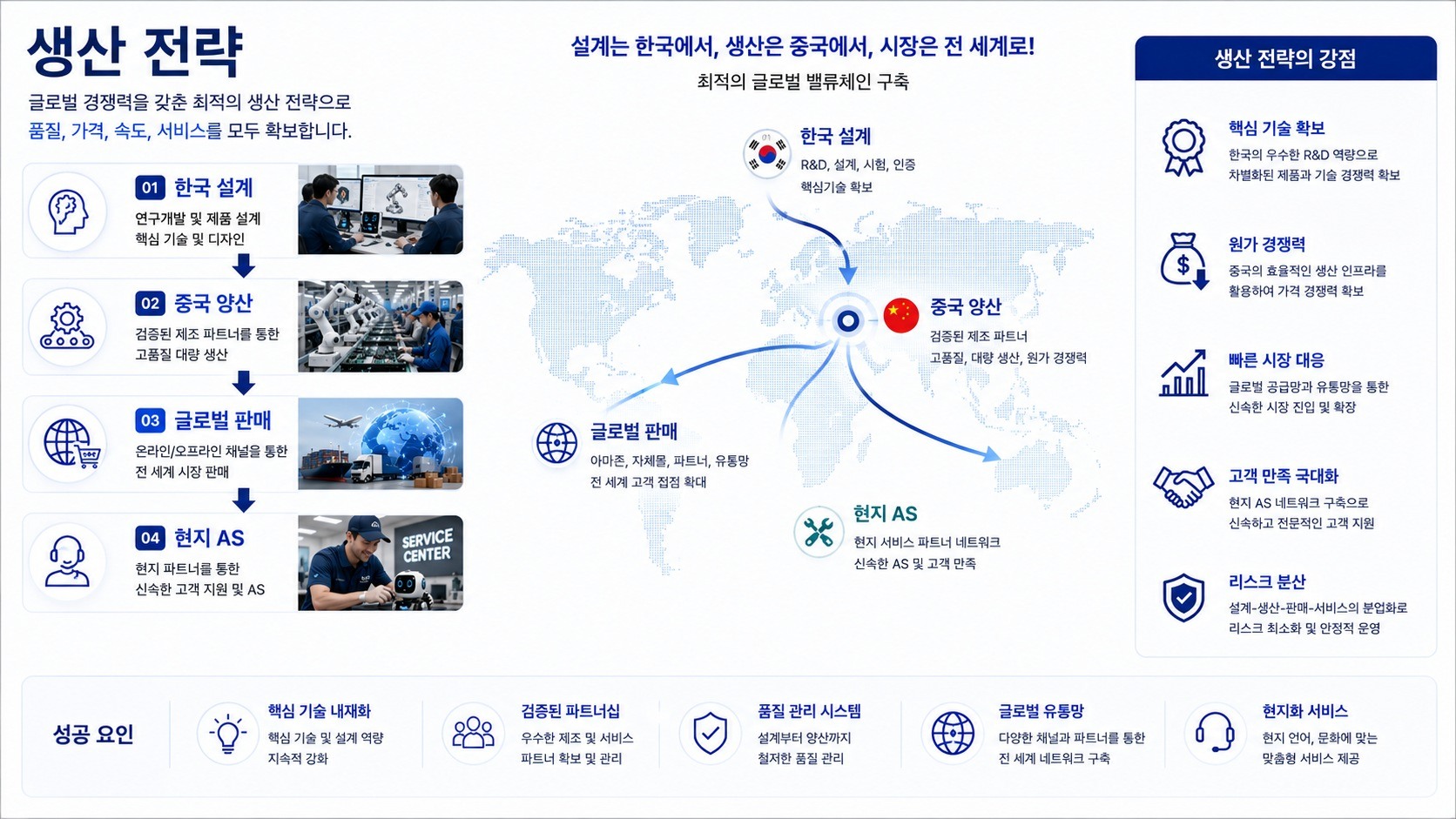
The organizational concept emphasizes collaboration between specialties and shared interfaces. Requirements, component changes and test results need to remain connected so design changes can be assessed for manufacturing and maintenance.
Following prototype validation, production planning addresses assembly, inspection, component availability and service parts. Suppliers, volumes and sales schedules depend on development results and demand validation.
View detailed information +